Hedge Trimming in Gunnersbury

Hedge trimming in Gunnersbury should leave planting looking deliberate, healthy and suited to the boundary it serves. We provide a focused hedge trimming service for domestic and commercial gardens, shaping growth, managing seasonal regrowth and keeping lines tidy without stripping a hedge back so hard that it struggles to recover. The work can cover formal front hedges, softer mixed boundaries and taller screens that need careful reduction rather than a blunt cut.
Our approach is built around the hedge itself: its species, current density, height, previous maintenance and the finish you want. Some hedges need light edging to preserve a crisp outline; others need more considered reduction to bring them back into a manageable shape. Good trimming is not just about neatness. It is also about keeping the structure balanced, encouraging healthy growth and avoiding unnecessary stress on the plant.
If you are planning hedge trimming in Gunnersbury, you can use this page to judge whether the work you need is routine maintenance, a heavier reshaping job or part of wider garden care. When you are ready, ask for a quotation and we can discuss the hedge, the access, the finish and the most suitable timing.
Regular hedge maintenance
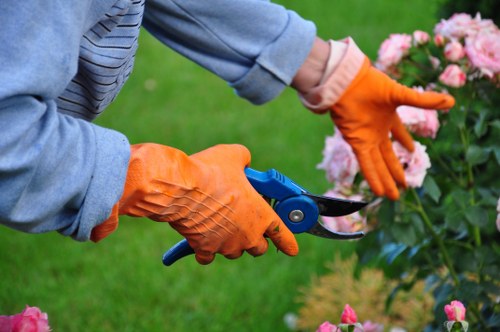
Routine hedge trimming is usually the best way to keep growth controlled before it becomes difficult to manage. A hedge that is cut regularly is easier to keep even, and the work often takes less corrective effort than a hedge that has been left to stretch outward or upward for several seasons. We trim with attention to line, density and symmetry, helping the hedge read as part of the garden rather than a boundary that has simply been clipped in passing.
This kind of maintenance is useful for hedges that define paths, screen front gardens or provide structure along a driveway or boundary wall. The finish can be formal and straight, or slightly softer if the planting style suits a more natural outline. Shape matters, but so does the way the hedge sits against the rest of the garden; a neat result should not feel harsh or over-processed. Where needed, we can keep the top narrower than the base so that light reaches lower growth more evenly.
For many properties, regular hedge care works best when it is linked to the plant’s growth pattern rather than forced to a fixed calendar alone. Dense evergreen hedges, for example, often need a different touch from mixed native hedging. If you would like to compare maintenance options, take a moment to review our hedge trimming service alongside the wider garden services available through the site.
Hedge shaping and reduction

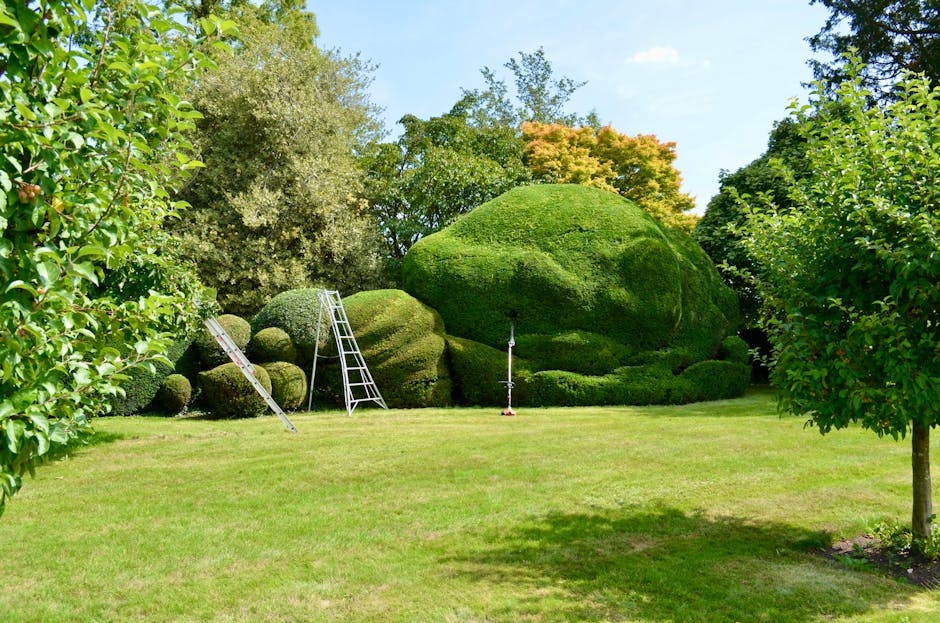
Some hedges need more than a light tidy. If growth has become uneven, too wide for its space or top-heavy from previous neglect, careful shaping can restore a more practical profile. Reduction work must be handled conservatively, because cutting too far in one pass can leave gaps, expose woody sections or create a result that looks clipped rather than naturally managed. The aim is to reduce bulk while preserving the hedge’s living framework.
When hedges are brought back into shape, the work is usually best approached in stages where appropriate. That may mean easing back the height, narrowing the sides or improving the line over more than one visit, depending on the species and condition. We pay attention to how new growth will sit after the cut, because the right finish should continue to look balanced after the hedge responds. This is especially important where a hedge also needs to act as a screen or boundary marker.
Not every hedge benefits from the same treatment, so the right course depends on the plant type and how long it has been left. A quotation is most useful when it reflects the actual scope of work rather than a generic description. You can also see how hedge trimming sits within our garden maintenance options if the hedge forms only one part of a broader care plan.
Cutting for privacy, safety and access
Many customers ask for hedge trimming because growth has started to interfere with everyday use of the garden. A hedge that narrows a walkway, blocks a gate, crowds a drive or reduces visibility at an entrance needs more than a cosmetic cut. In those cases, the work is about restoring safe clearance as well as maintaining a presentable appearance. We trim with the line of movement in mind, so access is improved without creating a lopsided finish.
Where hedges sit close to paths or public-facing boundaries, a clean edge can make the whole frontage feel more orderly. The cut should suit both the species and the situation: a hedge beside a driveway may need a firmer face, while a screening hedge may need height control with only light side work. Clarity of purpose matters here, because the same hedge might need privacy, structure and clearance at the same time. A good trim balances all three rather than over-prioritising one.
In practical terms, we look at what the hedge needs to do after the work is complete. That could mean maintaining a clear outline around windows, keeping planting away from a pavement edge, or making sure the hedge does not encroach on neighbouring space. If the hedge is one part of a broader exterior project, our landscaping page gives a broader view of how different garden works can be coordinated.
Hedge types and finishes
Different hedges call for different cuts, and the finish should suit both the plant and the property. Formal evergreens often benefit from regular, even trimming that keeps faces flat and edges crisp. Faster-growing hedges may need more frequent attention to avoid rough bulges and uneven thickness. Mixed hedging, meanwhile, can require a lighter touch so that the overall shape remains tidy without losing too much of the varied character that makes it attractive in the first place.
One of the most useful distinctions is between a hedge that needs maintenance and one that needs correction. Maintenance trimming preserves a set shape; corrective work restores proportion after growth has been allowed to run on. A hedge with a strong framework can often be tidied in a single visit, but a hedge with weaker or older sections may need more measured handling. The right choice depends on what is already there, not on a fixed rule.
For customers who want a cleaner boundary but are also considering changes elsewhere in the garden, our landscape gardening page may be helpful. It sits alongside hedge trimming where the hedge is part of a wider design or renewal programme, rather than a one-off cut in isolation.
What a quotation usually depends on
Hedge trimming quotations are usually shaped by the size of the hedge, its current condition and how much access is available around it. A tall hedge, a hedge with deep overgrowth or a hedge reached only from one side will take a different amount of time and handling from a compact boundary that can be worked evenly all round. The amount of waste generated also matters, because cuttings have to be collected and dealt with responsibly.
Before requesting a quotation, it helps to think about the hedge’s length, approximate height and whether the job is a simple tidy or a fuller reduction. If there are obstacles such as planting beds, delicate surfaces or awkward corners, that is useful to mention too. You do not need a technical description; a clear outline is enough. If you already know that the hedge is part of a maintenance pattern, say so, because ongoing work is often easier to plan when the expected finish is understood.
Two practical steps are especially helpful when you get in touch: first, note whether the hedge is mainly formal, screening or mixed; second, say whether the work is urgent or can be arranged flexibly. These details make it easier to prepare a quotation that reflects the real task. For the main pricing information on the site, see pricing and quotes.
Waste, cuttings and finish standards
After hedge trimming, the appearance of the garden often depends on the quality of the finish as much as the cut itself. Edges should be clean, regrowth should be left evenly distributed and the area should not look as though the hedge has simply been hacked back for convenience. Cuttings can be substantial, especially where a hedge has grown for some time, so good clearance and tidy disposal are part of a professional result.
We also pay attention to what remains behind the hedge line. If the job exposes old growth, sparse patches or uneven stems, the cut should still look intentional. A hedge is not improved by being reduced into an unnatural box if that shape does not suit the plant or the setting. In some cases, the best result is a slightly softer profile that still reads as neat. The aim is always a finish that looks planned, not abrupt.
Where customers are considering different garden tasks at the same time, it can be useful to look at hedge trimming alongside other outdoor work. Our garden clearance page explains a broader service for larger amounts of green waste and overgrowth, while trimming remains the more focused choice for hedges that still have a clear structure worth preserving.
Planning the work well
Good hedge trimming starts with practical planning. Access to the hedge, the presence of nearby planting, and the condition of the ground all influence how the work is approached. A narrow passage or heavily planted border may need a slower, more precise method than a hedge with open space on both sides. The aim is to complete the trim cleanly while protecting the surrounding garden and keeping disruption to a reasonable minimum.
It also helps to be clear about the finish you want. Some customers want a strict, level line; others prefer a softer boundary that still looks maintained but not overly formal. The difference affects how the hedge is cut and how much shaping is done on each face. If the hedge has already been altered in the past, we look at that previous form first, because the best result is usually one that works with the plant’s existing structure rather than fighting it.
If your hedge is only one element of a larger outdoor scheme, it may be worth looking at related services such as services overview before requesting a quotation. That can help you decide whether you need a single hedge trim or a combined approach across several areas of the garden.
About Gunnersbury
Gunnersbury is an area in west London best known for the historic grounds of Gunnersbury Park and for its position between several well-established parts of the capital, including Chiswick, Brentford and Acton. The name appears in local history long before the modern city took shape around it, and the area still carries traces of that layered past in its streets, open spaces and surviving historic fabric. Gunnersbury Park itself is a major landscape feature, combining open parkland with a small cluster of buildings associated with the former Gunnersbury estate. The park has long been valued as both a public green space and a reminder of the area’s older country-house setting.
The surrounding district includes residential roads, transport links and pockets of commercial activity that reflect west London’s gradual expansion during the nineteenth and twentieth centuries. Nearby railway and Underground connections helped turn what had once been a more rural fringe into a connected suburban area. Today the character of Gunnersbury is shaped by that mix of green space, local history and everyday urban life. The landscape is not dominated by one single centre; instead, it feels like a transitional place linking larger neighbourhoods and offering a quieter residential setting close to the busier roads around it. The area’s street pattern and built environment show layers of change, from older villas and terraces to later infill development and modern apartment schemes.
Architecturally, the local interest lies less in grand civic monuments than in the contrast between parkland, domestic streets and historic estate features. The presence of Gunnersbury Park gives the area a recognisable open heart, while surrounding roads connect it to the broader western suburbs. As with many London districts, its identity comes from the relationship between movement and enclosure: railway lines, main roads and green boundaries all help define how the place is experienced. That combination makes Gunnersbury readable as a distinct locality rather than just a point on a map, with history, open space and everyday neighbourhood life overlapping in the same compact area.
Garden boundaries and related work

Hedge trimming often sits beside other forms of garden care, especially where boundaries, screening planting and lawns meet in a single view. A clean hedge edge can improve the impression of a front garden, but the effect is stronger when adjoining areas are also orderly. That might involve cutting back encroaching growth, levelling nearby turf edges or restoring a boundary line that has become blurred over time. The point is not to turn every garden into a formal display, but to make the whole space feel more intentional.
If you are considering more than one type of outdoor work, it is useful to think about sequence. Some jobs are easier when trimming happens before other tasks, while in other cases the hedge should be left until surrounding work is complete. We can discuss the most sensible order when preparing a quotation, especially if the hedge borders a wider area that also needs attention. This kind of planning can help avoid repeated disturbance and makes the finished result easier to keep tidy.
You can also review our lawn mowing service if the hedge trim is part of a broader maintenance schedule, or contact us to request a quotation when you are ready. If you want a clearer boundary, a neater shape or a more manageable hedge in Gunnersbury, we are here to help.