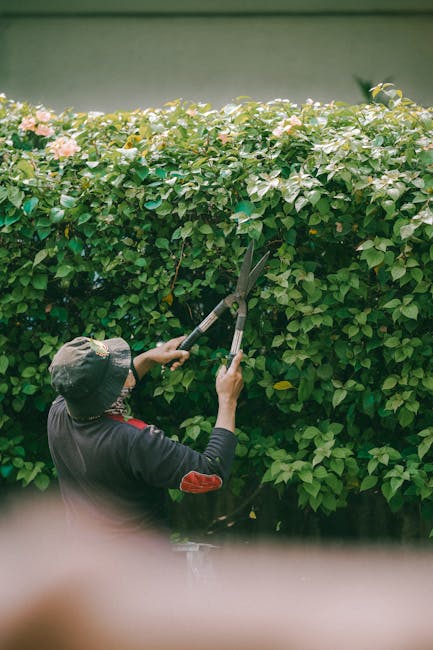
Ealing Council rules for hedge trimming in Gunnersbury gardens
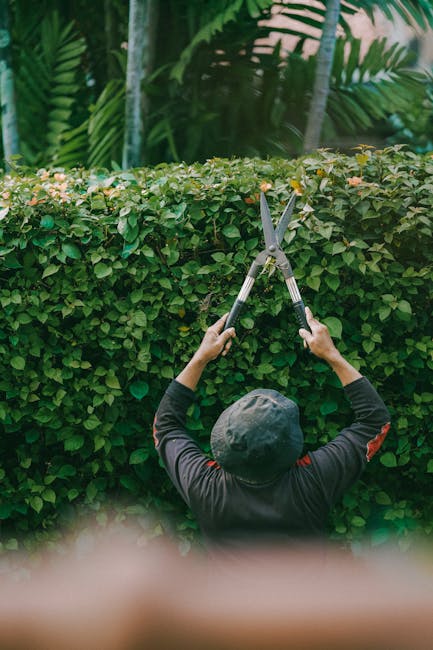
If you are trying to make sense of Ealing Council rules for hedge trimming in Gunnersbury gardens, you are probably dealing with one of two things: a hedge that has grown a bit too keen, or a boundary line that suddenly feels more complicated than it should. Truth be told, hedge trimming sounds simple until council expectations, neighbour boundaries, safety, and seasonal timing all enter the picture.
This guide breaks it down in plain English. You will learn what the local rules usually mean in practice, how to trim without creating avoidable problems, what good garden maintenance looks like, and when a professional approach makes life easier. If you are planning a bigger tidy-up as well, pages like garden maintenance, garden clearance, and hedge trimming can help you see the wider service picture.
In a leafy part of west London like Gunnersbury, it does not take much for a hedge to become a nuisance. One wet, mild spring and suddenly the privet is leaning over the path, or the laurel is swallowing the light. The good news? A careful, well-timed trim usually solves the problem without drama.
- Why the rules matter
- How the process works in practice
- Benefits of trimming properly
- Who this guide is for
- Step-by-step guidance
- Expert tips
- Common mistakes
- Tools and resources
- Law, compliance and best practice
- Methods and comparison
- Real-world example
- Practical checklist
- Conclusion
- Frequently asked questions
Why Ealing Council rules for hedge trimming in Gunnersbury gardens Matters
Hedge trimming is not just a gardening chore. In an urban neighbourhood, a hedge can affect visibility on pavements, block access to bins or gates, spill into a neighbour's boundary, or create a maintenance issue that quietly gets worse over time. That is why local rules and practical expectations matter.
For homeowners and landlords, the main thing is simple: keep hedges tidy, safe, and within your responsibility. For tenants or property managers, the question is often who is actually meant to do the work. To be fair, that bit gets messy more often than it should. If a hedge borders a shared path or sits near a boundary, everyone can suddenly have an opinion.
There is also a planning and conservation angle to think about. Some gardens may have trees, protected planting, or boundary features that need extra care. A hedge trim that looks straightforward from the kitchen window can still be the wrong thing to do if you cut at the wrong time, remove too much growth, or disturb nesting wildlife. That is where a patient, seasonal approach makes sense.
The bigger point is this: following council expectations protects you from complaints, reduces conflict, and keeps the garden looking deliberate rather than hacked back in a hurry. A neat hedge does more than look nice. It signals that the whole property is being looked after.
How Ealing Council rules for hedge trimming in Gunnersbury gardens Works
There is not usually a single dramatic rule that says "trim at exactly this hour on exactly this day." Instead, hedge trimming in Gunnersbury gardens is shaped by a mix of local responsibility, nuisance avoidance, safety, and general garden care standards. In practice, the council's expectations usually come down to whether your hedge is causing an obstruction, a hazard, or a maintenance issue that affects others.
Here is the practical version:
- Keep hedges from obstructing paths or driveways. If branches spill over into shared access or make it awkward for pedestrians, pruning becomes more urgent.
- Avoid creating a mess for neighbours. Clippings left on the pavement, in front gardens, or over a boundary can trigger complaints surprisingly quickly.
- Trim with nesting birds and seasonal growth in mind. Many gardeners avoid heavy pruning during peak bird nesting periods unless there is a clear safety need.
- Respect boundary lines. If a hedge straddles property edges, it is worth checking what belongs to whom before you start cutting.
- Work safely. Tall hedges, roadside edges, and overgrown screens may need ladders, long-reach tools, or a second pair of hands. That is not the time for guesswork.
A sensible hedge trim starts with observation. Look from the pavement, from the garden, and from next door if you can. You will spot the odd leaning stem or overhanging section much sooner. Little things add up, and hedges are like that - a few weeks of growth can make a clean shape look completely unruly.
If you are using a professional team, it helps if they also understand wider garden care, not just the hedge itself. A tidy hedge alongside regular lawn mowing, seasonal landscape gardening, or a one-off services overview can keep the entire plot balanced rather than patchy.
Key Benefits and Practical Advantages
Good hedge trimming offers more than a neat silhouette. It improves how your garden works, how it feels, and how low-maintenance it stays through the year. That is the bit people often miss when they think of trimming as a purely cosmetic job.
Practical advantages include:
- Better kerb appeal. A clean hedge instantly lifts the front of a property. Even a modest trim can make a house look more cared for.
- Safer access. Clear pathways and visible sightlines matter near gates, front steps, drive entries, and narrow pavements.
- Healthier growth. Trimming at the right point encourages denser, more even regrowth rather than spindly patches.
- Less neighbour friction. Cutting back encroachment early is usually easier than apologising after branches have been hanging over for weeks.
- Lower long-term effort. Regular light trims are usually easier than one brutal cutback every year or two. Honestly, the hedge would prefer it too.
There is also a subtle mental benefit. A tidy garden just feels calmer. You notice it on the first dry morning when the light catches the clipped edges and the whole space seems to breathe a bit easier.
For many households, the best result is not a perfect show-garden finish. It is a hedge that looks healthy, sits within the boundary, and does not demand constant attention. That is a very sensible goal, and a realistic one.
Who This Is For and When It Makes Sense
This guide is useful for a few different people, and they all have slightly different pressures.
- Homeowners who want to keep their front or rear hedge in line with local expectations.
- Landlords and letting agents who need gardens to stay presentable between tenancies.
- Tenants who are unsure what maintenance falls to them and what should be raised with the property owner.
- Older residents or busy families who would rather avoid climbing around with shears on a windy Saturday.
- People near shared paths or boundaries where overgrowth can become a nuisance quickly.
It also makes sense to think about hedge trimming when you are already doing other garden tasks. If the grass is being cut, the beds are being tidied, and the fence line is getting attention, the hedge often becomes the last untidy bit standing out like a sore thumb. That is usually when people finally decide, quite reasonably, to deal with it properly.
If the job is part of a wider tidy-up, ongoing garden maintenance or even a combined visit with tree lopping and removal can be more efficient than separate visits. Not always, but often enough to be worth asking.
Step-by-Step Guidance
Here is a practical way to approach hedge trimming without overcomplicating it.
- Inspect the hedge first. Walk the line from both sides if possible. Look for overhang, dead wood, weak stems, and anything blocking access.
- Check the timing. If birds are nesting or the hedge is in active growth, be more cautious. Light tidying is different from a hard prune.
- Confirm boundaries. If the hedge belongs partly to a neighbour, do not just assume. A quick conversation can save a lot of noise later.
- Choose the right method. Hand shears suit fine shaping. Hedge trimmers are better for speed on thicker, denser growth. For tall or awkward hedges, long-reach tools may be needed.
- Cut a little at a time. You can always remove more. Putting it back, as they say, is not an option.
- Keep the top slightly narrower than the base. That helps light reach the lower growth and keeps the hedge from becoming bare at the bottom.
- Collect and clear clippings promptly. Mess left on footpaths or lawns looks untidy and can cause slips.
- Check the finish from a distance. Step back to see the line. Up close, everything looks different.
If the hedge is large or the property layout is awkward, a professional can often do in an hour what might take you all afternoon, plus a sore shoulder. Not glamorous, but true.
Expert Tips for Better Results
Small details make a big difference with hedges. Here are the kinds of tips that usually separate a decent trim from a really tidy one.
- Trim on a dry day if you can. Wet foliage is heavier, clings to tools, and is harder to shape neatly.
- Use clean blades. Dull or dirty tools tear stems rather than cutting them cleanly.
- Watch for hidden wildlife. Thick hedges can shelter birds, insects, and the odd unexpected nest. Always check before cutting deep.
- Work in sections. Long hedges are easier to keep straight if you divide them into manageable lengths.
- Do not chase perfection on every stem. A hedge is living material, not a cabinet door.
- Plan for the next six weeks, not just today. In a fast-growing season, a tidy hedge can turn shaggy again surprisingly quickly.
A useful rule of thumb: if the hedge is getting to the point where neighbours mention it before you do, you may already be a bit late. It happens. Everyone gets busy.
For jobs that involve awkward edges, tight access, or mixed planting, a broader landscaping approach can help the hedge sit better in the rest of the garden rather than looking like it was trimmed in isolation.
Common Mistakes to Avoid
Most hedge-trimming problems are preventable. They tend to come from rushing, trimming too hard, or forgetting that a hedge is part of a wider environment.
- Cutting too much in one go. Heavy reductions can stress the plant and leave it looking thin for months.
- Ignoring the boundary line. Even a small overstep can upset the neighbourly balance.
- Leaving clippings behind. It makes the whole job look half-finished and can block drains or pathways.
- Using the wrong tool. A tiny pair of shears on a dense overgrown hedge is a patience test nobody needed.
- Forgetting safety. Ladders, wet grass, overhead power concerns, and poor footing are not things to wing it on.
- Trimming during unsuitable conditions. High wind and damp foliage can make control much harder.
Another common mistake is trying to solve a neglected hedge in one heroic session. Sometimes that is necessary, but more often the better answer is a staged reduction followed by regular maintenance. Less dramatic. Far more sustainable.
Tools, Resources and Recommendations
You do not need a van full of equipment for every hedge job, but the right tools matter. The main goal is a clean cut, safe working position, and a tidy finish.
| Method | Best for | Advantages | Watch-outs |
|---|---|---|---|
| Hand shears | Light shaping and detailed edges | Precise, quiet, good control | Slow on large hedges, tiring on long runs |
| Electric or battery hedge trimmer | Routine trimming of medium hedges | Fast, even finish, efficient | Needs safe handling and careful line control |
| Long-reach trimmer | Tall or awkward hedges | Helps reduce ladder work | Can be harder to balance and guide neatly |
| Professional maintenance visit | Large, dense, or neglected hedges | Efficient, safer, better finish | Costs more than doing it yourself, though often better value overall |
For householders who want a simpler route, a provider that handles pricing and quotes clearly, along with practical insurance and safety standards, is usually worth more than chasing the cheapest option. A low quote is nice. A safe, well-finished job is nicer.
If your garden needs a fuller tidy, the combination of hedge work with garden clearance or routine lawn mowing can save repeat call-outs and keep the space looking coherent.
Law, Compliance, Standards, or Best Practice
This is the part people often want reduced to a simple yes-or-no answer, but the honest answer is a little more layered.
In general, you should think about hedge trimming through four lenses: boundary responsibility, nuisance control, wildlife awareness, and safe working practice. Local council expectations usually sit inside that broader frame rather than replacing it.
Best practice usually includes:
- not trimming in a way that causes avoidable obstruction on pavements or access routes;
- checking whether the hedge forms part of a shared boundary;
- being careful with nesting birds and other wildlife;
- using safe access methods for tall or hard-to-reach hedges;
- disposing of green waste responsibly.
It is also sensible to keep records if the hedge has caused recurring boundary or access concerns. Nothing dramatic. Just a note of what was done and when. That can help if a neighbour later says the hedge was left unattended, or if you need to show a maintenance pattern over time.
If you are arranging work through a contractor, check that their approach aligns with their own policies and working standards. Pages such as health and safety policy, recycling and sustainability, and the company's about us page can be useful indicators of how they handle the job, from waste removal to site care.
Options, Methods, or Comparison Table
Not every hedge needs the same approach. A small front hedge, a tall screening hedge, and an overgrown boundary hedge are all different jobs, even if they are all technically "just trimming."
| Approach | Best used when | Pros | Cons |
|---|---|---|---|
| Light seasonal trim | The hedge is healthy and only needs shaping | Quick, neat, low stress on the plant | Needs regular follow-up |
| Restorative reduction | The hedge has become overgrown | Brings shape back under control | May look sparse briefly and requires care |
| Professional maintenance visit | You want a safe, efficient result without doing it yourself | Better for tall, dense, or awkward hedges | Less hands-on control for the homeowner |
| Full garden tidy-up | The hedge is only one part of a bigger job | Creates a cleaner overall finish | Can take longer and needs more planning |
For many Gunnersbury homes, the sweet spot is a light but regular trim combined with basic garden upkeep. That keeps hedges manageable and avoids the lumpy cycle of neglect, panic, and overcutting. Nobody really wants that cycle. It is exhausting just thinking about it.
Case Study or Real-World Example
Imagine a semi-detached property in Gunnersbury with a front hedge running along the pavement and a second hedge separating the rear garden from a neighbour's plot. By late summer, both have crept out of shape. The front hedge is brushing pedestrians, and the rear one is shading a planting bed and pressing into the shared line.
At first glance, it looks like a straightforward Saturday job. But once you inspect it, three issues appear: the front section needs a careful shape to avoid the footpath, the rear hedge has thicker growth that will need staged trimming, and there is visible debris hidden inside the base from previous cuts. If you rush it, you make the hedge lopsided and leave clippings all over the place. If you handle it properly, you trim in stages, clear as you go, and finish with an even profile that sits comfortably within the garden.
That is where a good local maintenance visit helps. The hedge gets reduced safely, the garden feels brighter, and the overall property looks calmer. Small change, really, but a noticeable one. The sort of thing that makes you smile when you step outside with a coffee the next morning.
Sometimes the follow-on work includes a bit of extra tidying, maybe even a small section of landscaping or checking the neighbouring planting beds so the hedge does not immediately outgrow the space again. That is just sensible planning, not overkill.
Practical Checklist
Use this checklist before you start, or before you book the work in.
- Have you checked whether the hedge is on a boundary or fully within your property?
- Are there signs of nesting birds or other wildlife?
- Is the hedge obstructing paths, gates, bins, or sightlines?
- Do you have the right tools for the hedge height and density?
- Is the weather suitable for safe trimming?
- Have you planned where the clippings will go?
- Do you need help with waste removal or garden clearance?
- Would a professional be safer for tall or awkward sections?
- Are you aiming for a light trim or a more serious reduction?
- Will the hedge need follow-up care later in the season?
If you can tick most of those off, you are in good shape. If not, it may be worth slowing down and planning properly. A hedge does not need drama. It just needs attention.
Get a free quote today and see how much you can save.
Conclusion
Understanding Ealing Council rules for hedge trimming in Gunnersbury gardens is really about combining common sense with local responsibility. Keep hedges within your control, trim them safely, respect boundaries, and think ahead to the next few weeks rather than the next five minutes.
The best hedge jobs are rarely the most dramatic ones. They are the steady, careful trims that keep a garden looking good all year, reduce complaints, and make the whole space easier to live with. That applies whether you are maintaining a small front hedge or dealing with a bigger, tangled boundary line that has been ignored one season too many.
If you want the garden to feel calmer, cleaner, and easier to manage, start with the hedge. It is often the first thing people notice, and, quietly, one of the easiest ways to bring the whole place back into balance.
And if the job feels larger than a quick cut, that is fine. Some jobs are like that. Better to do them properly than twice.
Frequently Asked Questions
What are the main Ealing Council rules for hedge trimming in Gunnersbury gardens?
The main practical expectations are to keep hedges from causing obstruction, avoid nuisance to neighbours, trim safely, and respect boundary lines. Seasonal wildlife considerations also matter, especially if nesting birds may be present.
Do I need permission to cut my hedge in Gunnersbury?
For ordinary maintenance trimming, permission is not usually required. However, if the hedge is affected by boundary issues, conservation concerns, or protected planting, you should take extra care and check before making major changes.
When is the best time of year to trim a hedge?
Light trimming is often done during active growing periods, while heavier work is usually planned more carefully around plant health and wildlife. The safest answer is to avoid major cutting when nesting birds may be present.
Can I cut back a hedge that hangs over the pavement?
Yes, if it is your hedge and the growth is causing an obstruction, trimming it back is usually the sensible thing to do. Just make sure the work is done safely and that the cuttings do not block the footpath.
What should I do if the hedge is on a boundary with my neighbour?
Check ownership first if you can. A short conversation is usually better than an argument later. If the hedge is shared or unclear, it is wise to agree on the approach before trimming.
How much should I cut off in one go?
Usually, less is more. Light, regular trimming is preferable to a severe one-off cut. If the hedge has been neglected, it may need staged work instead of being reduced all at once.
Do hedge trimmings need to be removed from the site?
They should be cleared away promptly. Leaving clippings on the pavement, lawn, or boundary looks untidy and can create a slip or blockage risk. Responsible disposal is part of a proper finish.
What if my hedge is too tall to trim safely?
If the hedge is beyond comfortable reach or needs ladders, long-reach tools, or awkward positioning, it is usually better to hire help. Safety matters more than forcing the job.
Can hedge trimming be combined with other garden work?
Absolutely. Many people combine it with garden maintenance, lawn mowing, or garden clearance so the whole garden gets a proper reset in one visit.
How do I know if I should hire a professional?
If the hedge is tall, overgrown, near a shared boundary, or part of a larger tidy-up, a professional is usually the calmer choice. It saves time, reduces risk, and often gives a more even result.
Is there a difference between hedge trimming and hedge reduction?
Yes. Trimming is usually routine shaping and tidying. Reduction is a more significant cutback used to bring an overgrown hedge back under control. Reduction needs more judgement because it affects the plant more heavily.
What should I ask before booking hedge work?
Ask about access, waste removal, safety practices, timing, and whether the job is a light trim or a heavier reduction. If you are comparing options, pages like pricing and quotes and insurance and safety can be helpful starting points.