What to know about access problems for Gunnersbury garden jobs
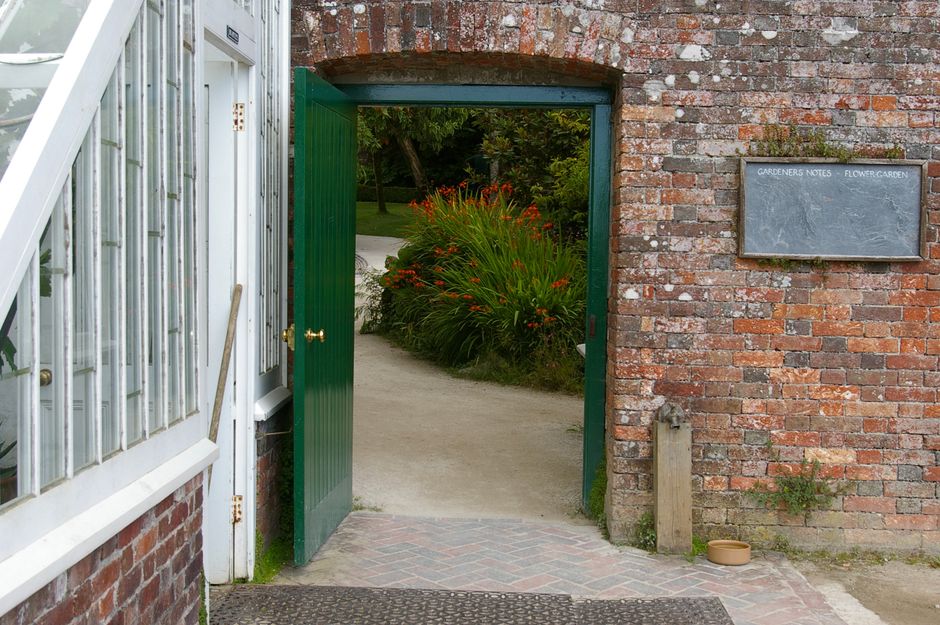
Access problems can turn a straightforward garden job into a slow, fiddly one. In Gunnersbury, that might mean a narrow side gate, awkward shared passageway, limited parking, a rear garden with no direct route, or simply a lot of heavy kit that has to be carried the long way round. If you are planning hedge cutting, lawn care, garden clearance, landscaping, or tree work, it pays to understand what access issues can mean before the team turns up at the gate.
This guide explains what to know about access problems for Gunnersbury garden jobs in plain English. You will see why access matters, how it affects time and cost, what good preparation looks like, and how to avoid those frustrating little surprises that make a job drag on longer than it should. A bit of planning goes a long way. Honestly, sometimes the difference is just one unlocked side gate and five minutes of clear communication.
Why access problems matter
Access is not just a convenience issue. It shapes how safely and efficiently a gardening team can work. If equipment has to be carried through a house, around tight corners, or across shared paths, the job becomes slower and more physically demanding. That matters for labour, scheduling, and the condition of the property itself.
For smaller jobs, awkward access might only add a little extra time. For bigger projects such as garden clearance or landscaping, poor access can affect almost everything: what tools can be used, how waste is removed, how many people are needed, and whether the work can even start on the planned day. If you have ever watched a wheelbarrow negotiate a narrow passage in wet weather, you will know it is not exactly elegant.
There is also the trust side of it. Clear access planning reduces misunderstandings. It helps the customer know what to expect, and it helps the contractor give a more realistic quote. That is one reason many homeowners check a wider range of services first, from garden maintenance to garden clearance, before deciding how much preparation the site may need.
In practical terms, access problems matter because they create knock-on effects. A blocked route can lead to:
- more labour time on site
- delays to the day's schedule
- extra wear and tear on equipment
- higher risk of accidental damage
- more disruption for neighbours
- more waste-handling complexity
Expert summary: Good access planning is not about making the job easier for the sake of it. It is about making the work safer, cleaner, and more predictable for everyone involved.
How access affects garden work
Access issues show up differently depending on the type of work. A lawn may only need a mower and a clear route in and out. Hedge work could involve ladders, trimmers, and green waste bags. Tree work may need larger tools, protective gear, and a safer loading area. Once you start thinking about the practical flow of the job, access becomes central rather than incidental.
In most cases, the process begins before the visit. The customer describes the route to the garden, any steps, gate widths, side entrances, parking limits, and whether waste can be taken out the front or only through the house. A careful contractor then decides whether to bring lighter equipment, extra manpower, or waste bags that are easier to move. That is the sensible version. The less sensible version is arriving on the day and hoping for the best. Truth be told, that rarely ends well.
For example, a rear garden with no direct access might still be manageable for lawn mowing, but a large clearance job could take much longer because every bag of clippings must be carried through a narrow side passage or a domestic hallway. In landscape work, the issue can be even more noticeable because materials such as soil, paving, timber, or turf are heavier and bulkier than standard garden waste.
Access can be grouped into a few simple categories:
- Walking access - can a person safely get into the garden without climbing over anything?
- Equipment access - can tools, barrows, and materials be moved through the route?
- Waste access - can cuttings and debris be removed without repeated trips through the property?
- Vehicle access - can a van park close enough to load or unload safely?
Those four questions tell you a lot. They also explain why access is often discussed alongside service planning on pages such as services overview and pricing and quotes.
Key benefits of planning ahead
Good access planning makes the job feel calmer from the start. You may not notice it much when everything goes right, but you definitely notice when it goes wrong. A route that is measured, cleared, and agreed in advance saves hassle later.
- More accurate pricing - fewer surprises once the team arrives.
- Better timekeeping - the work is easier to schedule and finish.
- Less risk of damage - fewer scuffs on walls, fences, paving, and doors.
- Safer working conditions - less carrying in awkward positions and fewer trip hazards.
- Cleaner results - waste can be removed more neatly.
- Less stress for the customer - no last-minute reshuffling of the plan.
There is a quieter benefit too: better communication. When access is discussed properly, people tend to be clearer about what will happen on the day. That means fewer assumptions. And assumptions, as many homeowners discover, are where small issues start to snowball.
If your job involves heavier work, such as tree lopping and removal or a larger landscaping project, access planning becomes even more valuable. Materials, branch piles, stump debris, and equipment all take space. Space is the thing you always wish you had more of.
Who this is for and when it makes sense
This guidance is useful for anyone arranging garden work in or around Gunnersbury, especially where the property layout is a bit tight. It matters whether you are a homeowner, a landlord, a tenant with permission to arrange work, or someone managing a shared outdoor space.
It makes particular sense if any of the following apply:
- the garden is at the rear of the property with no direct outside access
- there is only a narrow side passage or shared entry
- parking is restricted or permits may be needed
- the job involves heavy waste, soil, timber, or larger equipment
- you are booking work during a busy time and need the visit to run to schedule
- you want to compare options across hedge trimming, mowing, clearance, or landscaping
It is also useful if you are planning a phased project. For instance, maybe you want clearance first, then landscape gardening, and later some deck work through decking services. In that kind of job, the access route can change between stages, and that needs checking each time. A locked gate at stage one is annoying. A locked gate at stage two after materials have already arrived is worse.
Not every access issue is a deal-breaker. Far from it. Many are manageable with the right plan and a bit of preparation. The real issue is leaving them vague.
Step-by-step guidance
If you are trying to organise a garden job with awkward access, here is a simple way to handle it.
- Walk the route first. Start at the front of the property and follow the route the workers will use. Look out for steps, tight turns, locks, low overhangs, bins, bikes, plant pots, and anything else that narrows the path.
- Measure the tight spots. Gate widths, passage widths, and step heights matter more than people expect. Even a small difference can affect what equipment is practical.
- Check parking and unloading space. Can a van stop nearby without blocking traffic or creating risk? If not, make that clear before the visit.
- Move obstacles out of the way. This includes garden furniture, toys, hoses, decorations, and any stored materials that could slow things down.
- Decide where waste will go. If cuttings and debris need to be carried through the property, think about how to protect floors and avoid muddy tracks.
- Share photos if possible. A few clear images of gates, side access, and the back garden can be very helpful. You do not need a fancy setup. Just honest pictures.
- Confirm any restrictions. Tell the contractor about neighbours' access, shared rights of way, pets, alarms, or times when access is not possible.
- Review the job scope. Sometimes access problems mean the work should be split into stages or approached with different equipment.
A small practical note: if a gate is stiff or a latch is awkward, sort that before the day if you can. It sounds obvious, but people forget. Then everyone stands there for two minutes pretending the gate will suddenly decide to behave.
Expert tips for better results
In our experience, the best access solutions are usually the boring ones. Clear, measured, and agreed early. Here are a few tips that make a real difference.
1) Be specific, not vague
Instead of saying "the garden is a bit awkward," explain what that actually means. Is the side path narrow? Is the back gate blocked? Is parking limited after school drop-off? Specific details help a contractor plan properly.
2) Think about waste flow, not just entry
People often focus on how the team gets in. But waste needs to get out too. That is where jobs can become tiring. A clearance or hedge job may be easy to start and slow to finish if the exit route is poor.
3) Separate access for people from access for materials
Sometimes people can walk through a route easily, but bins, bags, or turf rolls cannot. That distinction matters, especially on landscaping jobs where bulkier materials are involved.
4) Ask what equipment the team is likely to bring
If you know the likely tools in advance, you can spot problems early. For example, a lightweight mowing job is different from a pruning visit that needs ladders, long-handled tools, or multiple waste sacks.
5) Keep neighbours in mind
Shared access, noise, and parking all affect neighbours. A bit of courtesy goes a long way. Letting people know about temporary disruption can prevent awkwardness later. Nobody likes coming home to find the driveway blocked by a van and a pile of branches.
6) Build a little time buffer
Access challenges often mean the job takes longer than the "ideal" version. A small buffer protects the schedule and reduces pressure on the day. It is not dramatic, just sensible.
Common mistakes to avoid
Most access problems are predictable. The trouble is, they are easy to ignore until the day of the job. Here are the mistakes that cause the most frustration.
- Assuming the contractor will "just manage". Sometimes they can. Sometimes they cannot. A surprise narrow passage is not a plan.
- Forgetting about locked gates or missing keys. Very common, very annoying.
- Leaving garden furniture or stored items in the route. It seems minor until you are carrying a loaded bag through it.
- Not mentioning shared access arrangements. If a neighbour's side path is involved, that needs clear permission and timing.
- Underestimating waste volume. A few overgrown beds can produce far more waste than expected.
- Ignoring parking restrictions. This can disrupt arrival time and loading.
- Booking a complex job without discussing access first. That one can turn a smooth day into a long one.
One of the biggest mistakes is thinking access problems only affect large jobs. They do not. Even smaller jobs like hedge work can be awkward if the route is blocked or if tools have to be carried a long way. Small job, big inconvenience. Happens all the time.
Tools, resources and recommendations
You do not need specialist kit to prepare for access issues, but a few simple tools help.
- Measuring tape - useful for gate widths, passage widths, and step checks.
- Phone camera - a quick photo often explains more than a paragraph.
- Notebook or phone notes - write down parking instructions, gate codes, or access times.
- Gloves and basic garden tidy-up tools - handy if you are clearing small obstacles before the visit.
- Protective floor covering - useful where waste or muddy traffic may pass through a home.
For planning and service selection, it can also help to review a company's wider information pages. A few useful ones on this site include about us, insurance and safety, and health and safety policy. These pages give you a better sense of how the business approaches responsibility, preparation, and site working standards.
If sustainability matters to you, and it often does, the recycling and sustainability page is worth a look too. Access problems and waste handling often go hand in hand, so it is useful to understand how debris may be sorted or removed.
Law, compliance, standards and best practice
Access issues are not just a logistics matter. They can also touch on safety and property responsibilities. In the UK, contractors are generally expected to work with reasonable care, and customers should give accurate information about the site. That means access details, hazards, restrictions, and any known limitations should be shared clearly.
For many domestic garden jobs, the practical standard is simple: make the route as safe and clear as possible, agree who is responsible for opening gates or granting entry, and avoid creating unnecessary risks for workers or residents. If access involves shared spaces, you should be especially careful about permission and timing. That is just common sense, but common sense is often where jobs are won or lost.
There are also privacy and payment considerations. If access instructions are exchanged by message, the handling of that information should be sensible and limited to what is needed. If you are reviewing company policies, pages such as privacy policy, payment and security, and terms and conditions can help set expectations before work starts.
Where health and safety is concerned, best practice usually includes:
- clear site access instructions before arrival
- safe storage of tools and equipment
- reducing trip hazards on paths and steps
- safe manual handling for heavy materials
- care around glass, uneven paving, and hidden obstacles
If a job involves substantial clearance or tree work, it is sensible to make sure the contractor is properly insured and has a clear approach to on-site safety. That part should never feel like an awkward question. It is just part of being careful, and honestly, being careful is underrated.
Options, methods, or comparison table
There is more than one way to handle access problems. The right method depends on the job size, garden layout, and how much disruption you want to avoid.
| Approach | Best for | Pros | Trade-offs |
|---|---|---|---|
| Light preparation only | Small, straightforward jobs | Quick, low effort, usually enough for mowing or simple hedge work | May not suit bulky waste or difficult routes |
| Detailed pre-check | Most medium jobs | More accurate pricing and smoother arrival | Takes a little time before the visit |
| Phased work | Clearance, landscaping, mixed projects | Reduces congestion and makes access easier between stages | May lengthen the overall project timeline |
| Extra labour or handling support | Heavy waste or difficult carrying routes | Safer and more manageable for larger jobs | Can add to the cost and needs careful scheduling |
The table is not about picking the "best" option in the abstract. It is about matching the method to the site. A neat little lawn cut in a simple garden does not need the same level of planning as a full clearance followed by landscaping.
Case study or real-world example
Picture a typical Gunnersbury rear garden with a narrow side return, a gate that only opens halfway because of a bin store, and a long carry route to the back. The customer wants a combination of hedge trimming, some lawn care, and removal of a few overgrown shrubs. Nothing extreme. But the access route changes the whole rhythm of the visit.
On the first walkthrough, the team notices that the gate latch sticks and the path narrows near a bicycle and a planter. Rather than forcing the issue, they ask for those items to be moved before arrival and agree to bring lighter waste sacks instead of bulkier containers. They also suggest parking as close as possible to reduce carrying distance. Simple fixes. Not glamorous, but effective.
Because the access route is discussed early, the job runs more smoothly. There are fewer trips back and forth, the property stays cleaner, and the customer understands why preparation mattered. That is the sort of result you want. No drama. No awkward "we should have mentioned that" conversation halfway through.
In a larger clearance scenario, the same principles apply but with more planning. If branches, debris, or old materials need to be carried through a house or down a narrow passage, the team may split the work into stages. That can protect floors, reduce strain, and make the whole thing less chaotic.
Practical checklist
Use this quick checklist before your garden job:
- Have I walked the full access route?
- Do I know the gate widths and any tight turns?
- Are all locks, keys, and latches working?
- Have I cleared toys, pots, bins, bikes, and furniture?
- Is parking or unloading space confirmed?
- Have I told the contractor about steps, uneven paving, or shared access?
- Do I know where waste will be carried out?
- Have I shared photos if the route is awkward?
- Are pets, alarms, or household routines going to affect access?
- Do I understand whether the job may need extra time or phasing?
If you can tick most of those off, you are in good shape. If not, it is worth sorting the gaps before the team arrives. A few minutes now can save a fairly miserable scramble later.
Conclusion
Access problems are one of the most common reasons a garden job becomes more complicated than expected. The good news is that most of them are manageable with a clear route, honest communication, and a little preparation. Whether you are arranging hedge work, mowing, clearance, or a bigger landscaping project, the same idea holds: know the site, explain the route, and remove avoidable obstacles before the work begins.
That is really the heart of what to know about access problems for Gunnersbury garden jobs. It is not about perfection. It is about reducing friction so the work can be done safely, neatly, and without unnecessary back-and-forth. A bit of care up front makes the rest feel far less stressful, and that is worth a lot on a busy day.
Get a free quote today and see how much you can save.
And if you are still unsure, that is perfectly normal. Start with the route, ask the practical questions, and build the plan from there. Small steps, done properly, tend to solve most garden access headaches before they even start.
Frequently Asked Questions
What counts as an access problem for a garden job?
Anything that makes it harder to enter, work in, or leave the garden safely can count as an access problem. That might be a narrow side path, steps, locked gates, limited parking, shared passageways, or a route that forces waste to be carried a long distance.
Should I tell the contractor about access issues before booking?
Yes. The earlier you mention them, the better the quote and schedule will be. A good contractor can plan around difficult access, but only if they know about it before arrival.
Do access problems always mean the job will cost more?
Not always, but they can affect labour time and site handling. If the route is awkward or the job needs extra carrying, extra time may be needed. The key is transparency. Hidden difficulties are what usually cause surprises.
Can a garden job still go ahead if there is no rear access?
Often yes, depending on the size of the job and the route available through the property. Smaller jobs may be straightforward enough, while heavier clearance or landscaping work may need a different approach or more time.
What should I clear before the team arrives?
Move furniture, bins, toys, bikes, hosepipes, and any stored materials out of the route. Try to make the path as clean and open as possible. Even a small clear-up can save quite a bit of time.
Is it helpful to send photos of the garden access?
Very helpful. A few clear photos of gates, side paths, steps, and the main work area can explain the layout far better than a quick message. It is one of the easiest ways to reduce misunderstandings.
What if the access route goes through a shared area?
Then it is important to be clear about permission, timing, and neighbour arrangements. Shared access needs a little extra care so nobody feels blindsided or inconvenienced.
Are access issues different for hedge trimming and clearance?
Yes. Hedge trimming may need ladders and tool space, while clearance creates more waste and often more carrying. Clearance jobs tend to be more sensitive to route width and disposal logistics.
How do I know whether parking will be a problem?
Think about how close a vehicle can reasonably stop to the property without causing risk or blocking others. If parking is limited, mention that early so the visit can be planned properly.
What is the best way to prepare a narrow side passage?
Keep it free from obstacles, check that gates open properly, and make sure the surface is safe and reasonably dry if possible. If the passage is very tight, say so plainly rather than hoping it will be manageable on the day.
Do access problems affect safety standards?
They can. Tight routes, heavy lifting, and awkward carrying all increase the chance of slips, trips, and minor damage. That is why access should always be treated as part of safety planning, not just convenience.
Where can I read more about the company's approach to safety and service?
Useful background pages include health and safety policy, insurance and safety, and about us. They help set expectations about professionalism and site care.
What should I do if access becomes harder on the day?
Tell the team straight away and work through the options calmly. Sometimes a small change in sequence or equipment is enough. Other times the job needs to be split into stages. Better to adjust than to push on and create a mess.
Is there a simple rule of thumb for access planning?
Yes: if you would find the route awkward carrying a bag of shopping, assume a team carrying tools or waste will find it awkward too. It is a rough guide, but it helps people think realistically.